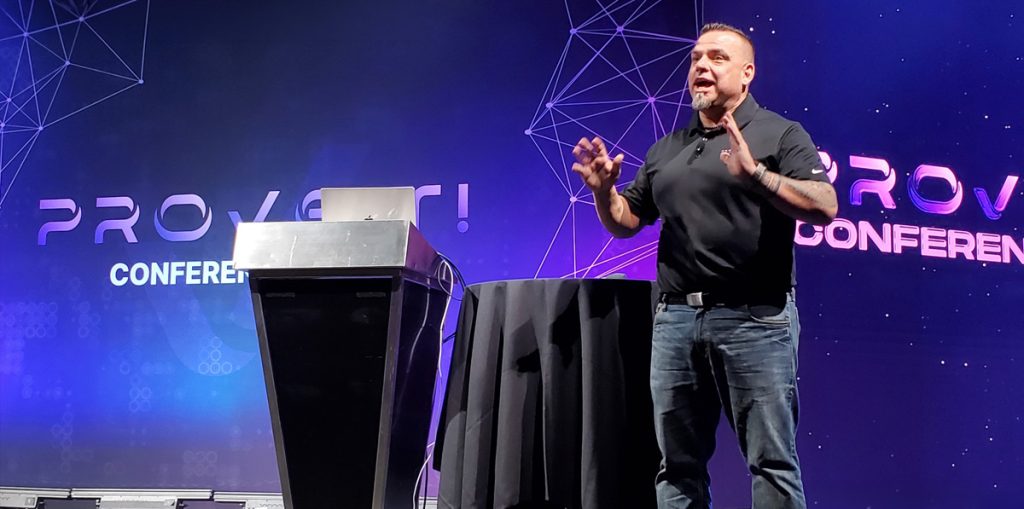
About this article: This article summarizes major points from a recent webinar with guests Scott Whitlock, CEO of Flexware Innovation, and Robin Lowery, VP of Life Sciences at Castle Hill Technologies, a Flexware Innovation company. The webinar focused on the challenges of digital transformation in highly regulated industries. Watch the webinar recording.
 Many manufacturers are pursuing digital transformation to stay competitive, but those in highly regulated industries—like pharmaceuticals and medical devices—face the added challenge of balancing innovation with strict compliance requirements. As a result, transformation efforts in these sectors can be particularly slow and complex. While the benefits of automation, data-driven decision-making, and system integration are clear, implementing these solutions requires careful planning, leadership buy-in, and a keen understanding of business needs.
Industry experts Scott Whitlock, CEO of Flexware Innovation, and Robin Lowery, VP of Life Sciences at Castle Hill Technologies, shared their insights on overcoming roadblocks, selecting the right technology, and driving successful transformations in a recent webinar. Below, we explore the key themes from their discussion and provide practical, actionable advice for companies looking to modernize while maintaining compliance.
Technology as an Enabler, Not a Driver
Digital transformation should not be about adopting technology for the sake of it. Instead, it should be about solving real business problems and enabling worker performance. Whitlock shared an experience where an HMI screen was designed without considering how forklift drivers would interact with it from a distance. The lesson? Technology must fit into existing workflows, not disrupt them.
Actionable Advice:
- Before implementing new technology, observe how workers perform their tasks and design solutions around their needs.
- Use human-centered design principles to make technology intuitive and accessible.
- Focus on business outcomes rather than chasing the latest tech trends.
Overcoming Common Roadblocks to Digital Transformation
Regulated industries are intentionally cautious—prioritizing compliance, safety, and risk mitigation above speed. However, this often leads to challenges that prevent progress, such as:
- Fear of being first: Companies hesitate to adopt new solutions unless they are proven.
- Undervaluing technology: Cost-cutting decisions eliminate important technology that could improve efficiency.
- The pain of change: Once processes are qualified and employees are trained, changing them can be extremely difficult.
Actionable Advice:
- Pilot new technologies in controlled environments to demonstrate value before full-scale deployment.
- Engage cross-functional teams (operations, IT, compliance) early to avoid last-minute resistance.
- Build change management strategies that include training, communication, and executive sponsorship.
The Role of Leadership: Setting the Right Expectations
For digital transformation to succeed, executives must take an active and realistic role. Many underestimate the cost, time, and effort required for implementation. Moreover, leadership often needs to bridge the gap between IT and operational technology teams.
Actionable Advice:
- Establish executive sponsorship with regular check-ins to ensure alignment and remove roadblocks.
- Develop a master plan that outlines priorities, risk assessments, and phased implementation strategies.
- Free up key personnel from their daily tasks to focus on driving transformation initiatives.
Selecting the Right Technologies: Future-Proofing Your Investments
When choosing technology for a highly regulated environment, balance innovation with sustainability. A solution that is too cutting-edge may not be supportable long-term, while outdated systems create significant technical debt.
Key considerations include:
- Connected worker solutions to improve data entry, reduce login friction (e.g., biometrics), and enhance user experience.
- Secure cloud adoption, though still rare in regulated industries, is expected to increase as security models evolve.
- Interoperability with existing “monument” systems (e.g., ERP, LIMS, MES) to avoid costly overhauls.
Actionable Advice:
- When building new facilities or production lines, lay the groundwork for digital transformation even if full implementation is delayed.
- Choose technologies with long-term support and avoid overly proprietary systems.
- Conduct a thorough risk-based assessment before deciding on any major technology shift.
Managing Technical Debt and Legacy Systems
Legacy systems are deeply embedded in regulated industries, making upgrades challenging. Many companies continue using outdated technologies simply because they work, but this can create significant bottlenecks in the future.
Actionable Advice:
- Rather than a complete overhaul, take an incremental approach—addressing key pain points one step at a time.
- Identify and replace high-risk legacy systems before they become unsupported or insecure.
- Consider using middleware solutions to bridge gaps between old and new technologies.
AI and Digital Transformation: Where Are We Now?
While AI and machine learning hold promise, their application in regulated manufacturing remains limited. Today, AI is primarily being used for document generation, maintenance optimization, and analytics rather than direct process automation.
Actionable Advice:
- Use AI for low-risk applications such as compliance documentation and data management.
- Be cautious of AI-driven automation—manufacturing processes still require significant contextual knowledge that AI struggles to interpret accurately.
- Ensure that AI implementation aligns with regulatory requirements to avoid compliance issues.
Data Security and Compliance: Protecting Critical Systems
With increasing digital adoption, cybersecurity is becoming a growing concern. Many vendors push for remote access to manufacturing systems, but this creates potential vulnerabilities.
Actionable Advice:
- Implement strict access controls to prevent unauthorized external connections.
- Maintain segmented networks for IT and OT environments to reduce cybersecurity risks.
- Ensure regular backups are stored in a central, secure location to facilitate rapid recovery in case of a cyberattack.
Paper-Based vs. Digital: Making the Right Decision
For companies in the early stages of digital transformation, the decision between paper-based and digital processes is not always straightforward. Factors such as facility size, compliance burden, and budget all play a role.
Actionable Advice:
- If going digital isn’t feasible immediately, prepare the infrastructure so you can transition in phases.
- Conduct a cost-benefit analysis to determine whether digital transformation will provide long-term ROI.
- Ensure that any digital system integrates smoothly with existing compliance and data management protocols.
Final Thoughts: Moving Forward with Digital Transformation
Regulated industries face unique challenges when modernizing operations, but with strategic planning, leadership engagement, and careful technology selection, digital transformation can drive meaningful improvements.
Rather than seeing it as a one-time project, companies should approach digital transformation as an ongoing journey—one that balances technological innovation with business needs, compliance, and operational efficiency. By focusing on human-centered design, executive involvement, and future-proofing investments, organizations can modernize successfully without disrupting their core processes.

Director of Marketing
I’m driven by the belief that meaningful progress happens when people, processes, and technology work in harmony. In my role as Director of Marketing at Flexware Innovation, I focus on elevating the stories and solutions that empower manufacturers to operate smarter and lead with confidence. I strive to create clarity, build trust, and make complex ideas accessible so my colleagues, customers, and partners can move faster toward what matters most.