


Plan the upgrade before the part plans it for you.
Flexware Innovation finds what’s at risk in your control systems and modernizes it based on your business needs.
Every upgrade has a trigger. Too often, it’s a failure.
Control hardware is built to run for 20 years or more, and most of it does. The trouble comes at the end of that run. A part gives out, no replacement exists and the timing, scope and cost of your next upgrade get decided for you.
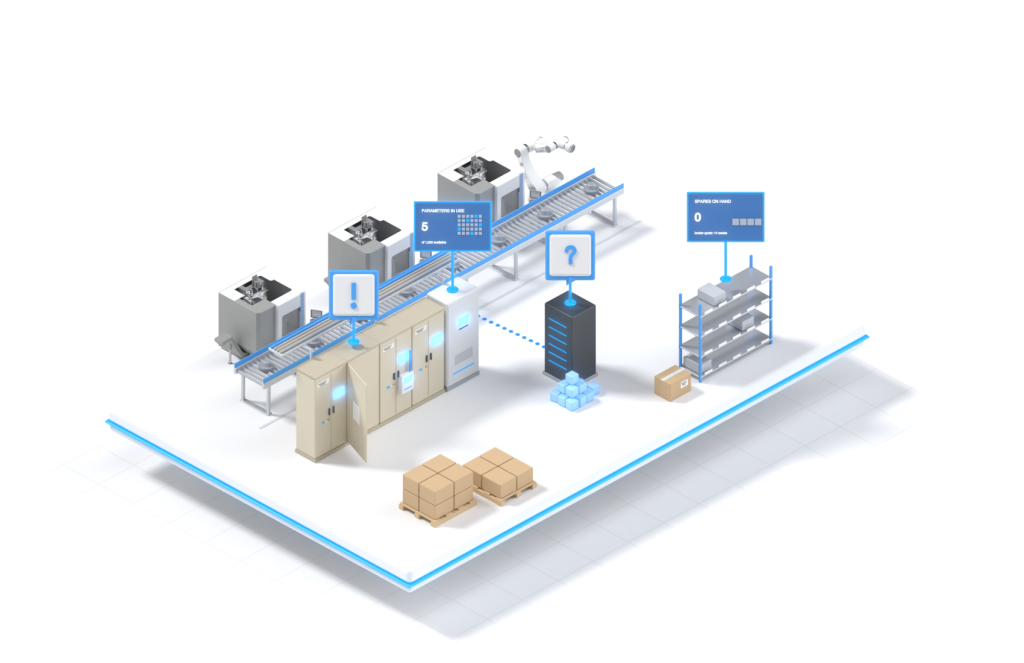
What it looks like on the floor.
If parts of your plant have been running for decades, some of this will look familiar:
- Hardware 15, 20, even 50 years old with no replacement on the shelf
- Parts that only a broker can find, at whatever price the broker sets
- A new component with roughly 1,000 adjustable parameters, and about five in use
- Machine data generated every shift that nobody reads
The equipment did what it was built to do, often outlasting the company that made it. The problem is supply, not engineering, and the usual fix doesn’t solve much. A like-for-like replacement clears the risk but leaves the plant exactly where it was. You spend the capital and buy back the status quo.
Why Flexware Innovation.
Flexware Innovation has spent three decades in plants, working at every level from the devices on the line to the enterprise systems above them. So when one piece of automation changes, we know what it touches upstream and downstream. We look at the data your equipment already produces before recommending anything new. And Flexware Innovation is backed by Hitachi, with the resources to support the work from the first line to the last site.
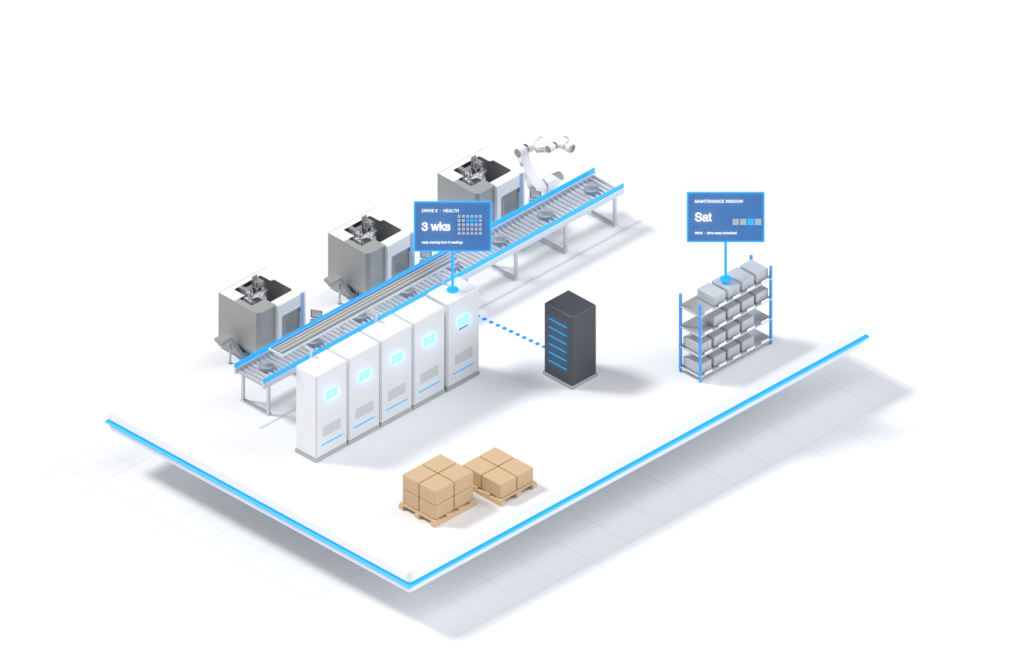
What changes when the upgrade is planned.
We start with what your business needs from the plant, then work down to the hardware. Every upgrade earns its place by what it makes possible, not just what it replaces.
- Upgrades on your calendar, in a maintenance window instead of a lost shift
- Equipment data put to work, where readings can flag a failing drive ahead of time
- Upgrades that add capacity or uptime, not just remove risk
- A small, provable project first, so no one bets a line on a theory
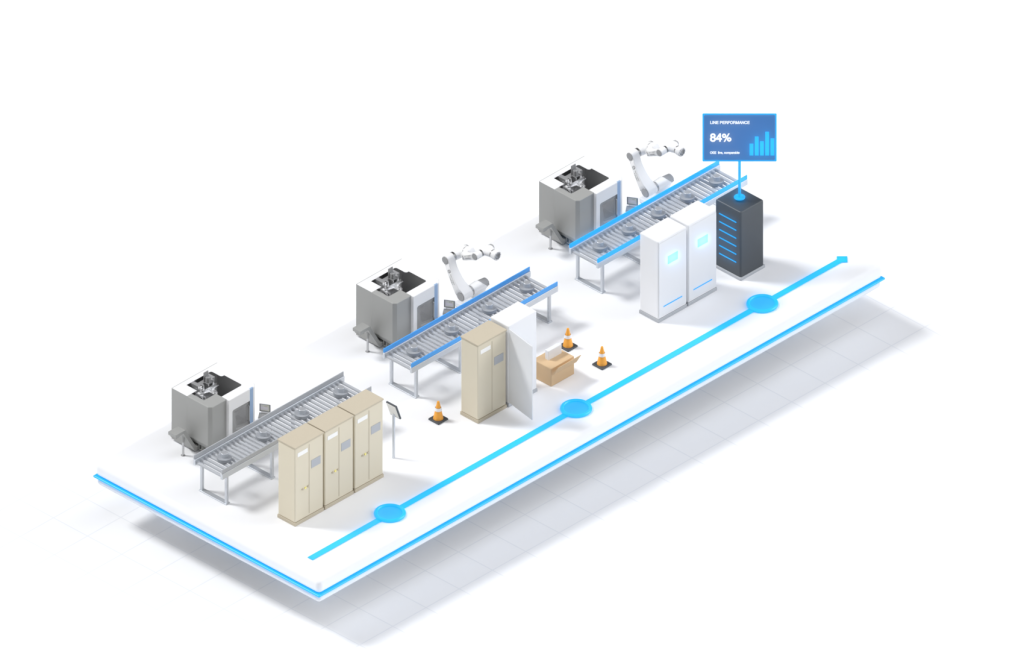
Start small. Scale what works.
You don’t have to commit to a plant-wide program to find out if this is right for you.
- Start with the business. What you compete on, and where the bottlenecks are.
- Find what’s exposed. What’s installed, and which breakdowns would stop production.
- Prove it on one line. Or one system, with results you can see before you go further.
- Modernize on your schedule. Across the plant, in windows you choose.
Every plant is different. Let’s talk about yours.
You’ve seen what happens when a broken part sets the schedule. What to do about it depends on your equipment and where your business is headed. Tell us a little about your plant, and a Flexware Innovation specialist will reach out.
Questions we hear most.
Yes, and phasing is the default, not the exception. Most of the plants we work in run continuously, so the work gets sequenced around maintenance windows already on your calendar.
No, and it’s rarely the cheapest path. We start by finding the components where a breakdown would stop production with no replacement available. That tells you what has to move now and what can wait a budget cycle.
Not at all. It’s the situation we see most often. Equipment that has run for 20 years usually still runs well, and there’s almost always a migration path that keeps what works and replaces only what’s at risk.
Start with the business instead of the equipment list. A replacement that only clears a risk is hard to defend twice. One tied to capacity, uptime or a product you need to make can show what it returns, not just what it prevents.
Usually more than anyone expects. A single component can track roughly 1,000 parameters, and most plants read a handful. Often that’s enough to see a failure coming weeks out and move the repair into a planned shutdown.
No. It starts with data your equipment already produces, which is a small, provable step. If something more advanced makes sense later, it’s because the basics are working and the data can be trusted.