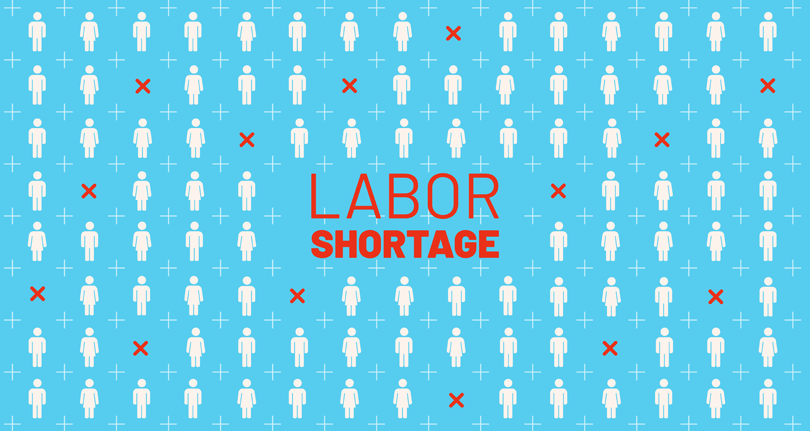
Since the onset of the COVID pandemic, the manufacturing industry has faced a significant labor shortage. That problem has been exacerbated by steadily increasing labor costs and inflationary pressure in general. Challenges continue to mount according to the U.S. Bureau of Labor Statistics.
The situation calls for innovative approaches if manufacturers are to maintain profitability and market share. The key lies in doing more with less, leveraging technology, optimizing processes, and enhancing workforce capabilities.
Embracing Technology and Automation
Without question, software technology has dramatically improved the speed and efficiency of production over the past few decades. Nevertheless, most manufacturing organizations are operating at less than their full potential because their technology stack is not fully integrated. Not only does that inhibit the flow of information through the organization; it also limits a company’s capacity to rapidly adopt new technologies as they emerge.
Advanced technologies such as AI, machine learning, and robotics, for example, can significantly boost efficiency and productivity. If an organization’s data collection capabilities are lacking, or if there is no connection between software and machinery, these technologies cannot provide much of a benefit, if any.
By replacing legacy technology with more modern hardware and software, manufacturing firms can increase their capacity to connect, automate, and analyze. In the quest to “work smarter, not harder,” technology is a great enabler. By automating routine tasks, manufacturers can reduce their reliance on human labor for these functions, thereby mitigating the impact of the labor shortage.
Investing in your Workforce
While technology plays a crucial role, the value of a skilled workforce cannot be understated. In fact, many of the use cases for automation and AI revolve around repetitive tasks that might otherwise be performed by lower-skilled workers. The upshot is that automation tends to increase an organization’s attention to upskilling the higher end of their labor force.
Humans have a capacity for creativity, problem-solving, and holistic thinking that simply cannot be replaced by machines, at least not at the present time. Technology can free up your best people to focus on what they do best. Investing in training and developing those employees enhances the impact of your investments in technology and process improvement.
Providing opportunities for skills enhancement not only improves productivity but also boosts employee morale and loyalty. This approach also helps in retaining existing talent and attracting new talent.
Optimizing Supply Chain and Inventory Management
As we learned during the COVID pandemic, supply-chain optimization can be a double-edged sword. Companies that had focused heavily on optimal efficiency were suddenly faced with shortages of the raw materials and components necessary to do business.
Manufacturing leaders gained a new appreciation for agility and flexibility. Many responded by diversifying their supply chains and developing deeper relationships with alternative sources of supply.
Whatever the right balance might be for your organization, the optimization of supply chain and inventory management plays a critical role in ensuring that your workforce has the right raw materials to get things done efficiently.
Workforce Flexibility and Adaptability
The lessons of the COVID crisis extend far beyond supply chain management, of course. Most manufacturing leaders have developed a deep appreciation for flexibility and adaptability over the past several years.
Many are applying those principles to accommodate workers’ expectations in a highly competitive labor market. They’re offering flexible work arrangements, cross-training opportunities, and a more agile approach to production scheduling. Coupling that with a strong company culture that values and supports employees can make a significant difference, enhancing employee satisfaction, reducing turnover, and improving overall productivity.
The labor shortage is a formidable challenge for manufacturers. That challenge also presents an opportunity for transformation and growth, though. By embracing technology, investing in their workforce, optimizing processes, and fostering a positive company culture, industry leaders can successfully navigate these difficult times and emerge stronger.
 Is Automation and Technology in Your Future?
 Is Automation and Technology in Your Future?
For hundreds of forward-thinking manufacturers, Flexware Innovation has been part of the answer to the labor crisis. Would you like to explore how Flexware’s automation and technology expertise could address your challenges? Contact us today.

Director of Marketing
I’m driven by the belief that meaningful progress happens when people, processes, and technology work in harmony. In my role as Director of Marketing at Flexware Innovation, I focus on elevating the stories and solutions that empower manufacturers to operate smarter and lead with confidence. I strive to create clarity, build trust, and make complex ideas accessible so my colleagues, customers, and partners can move faster toward what matters most.